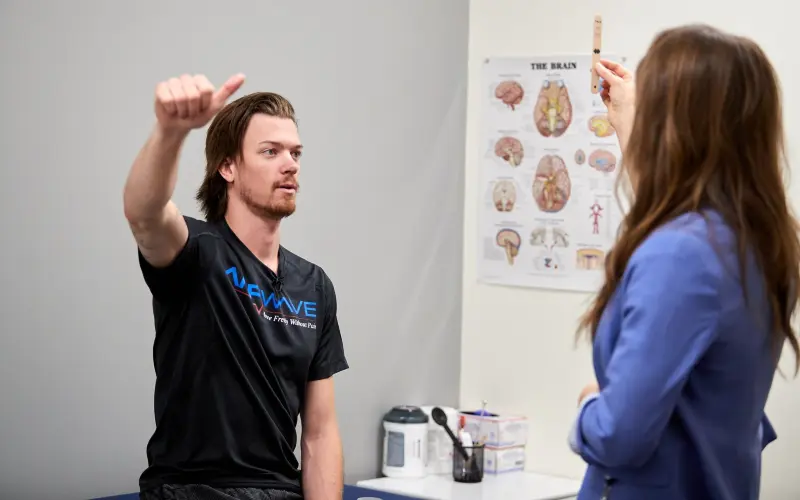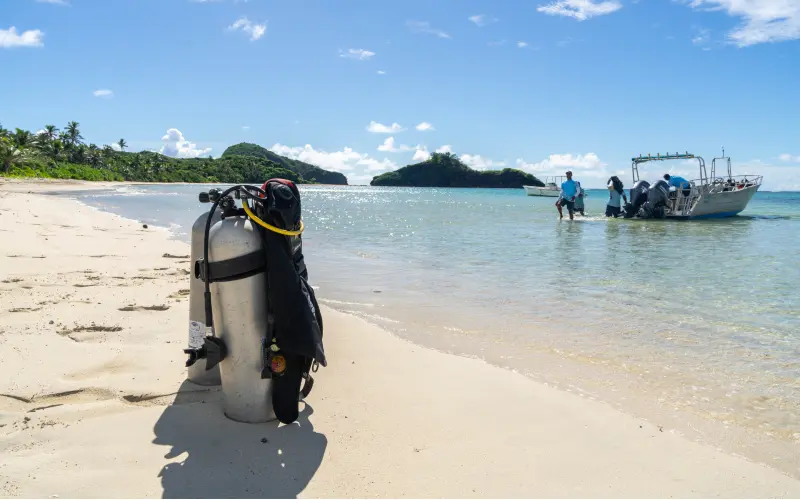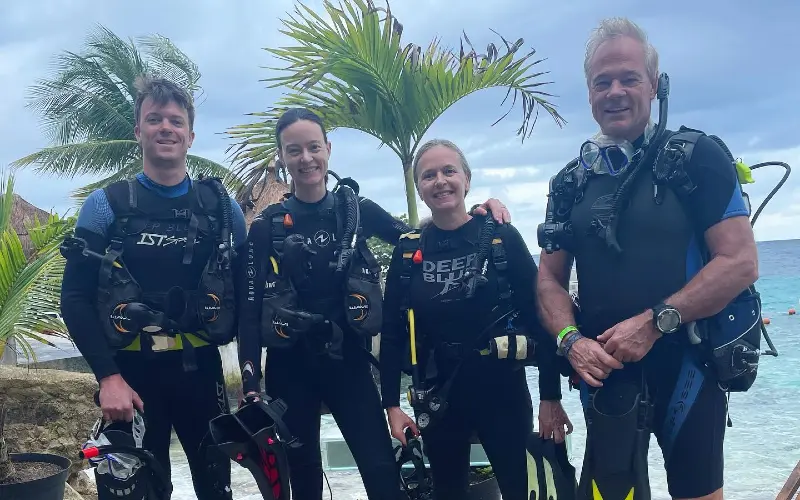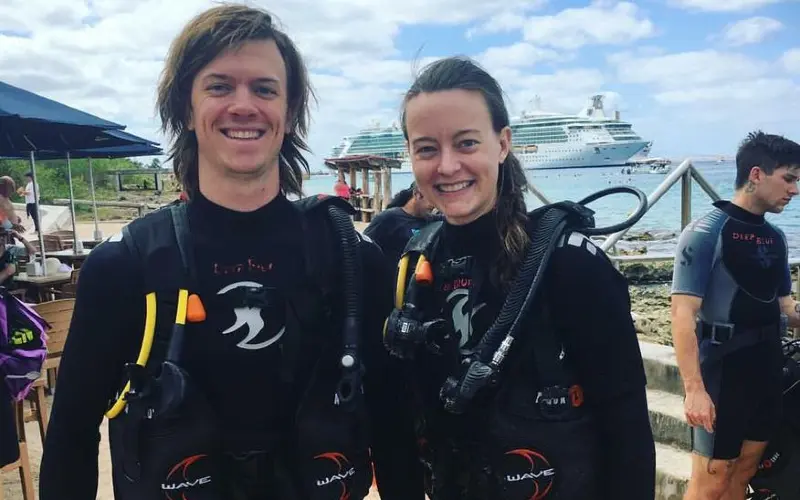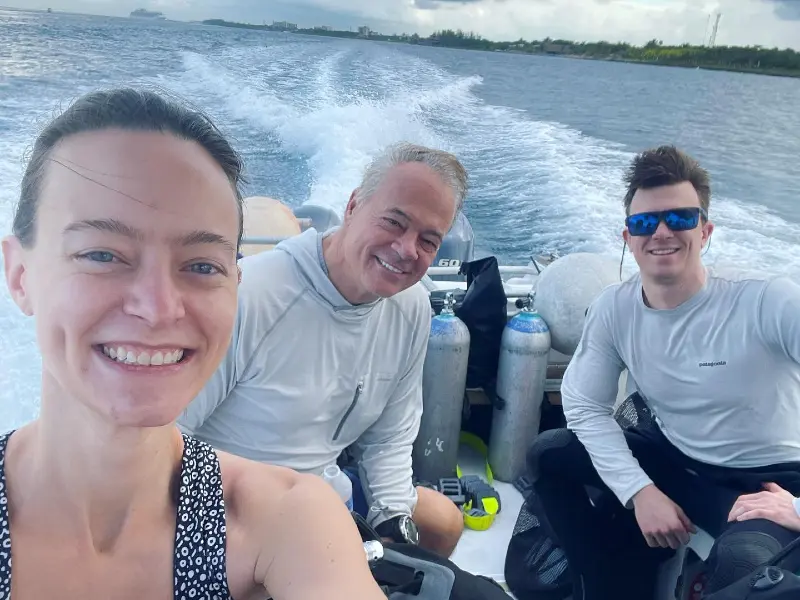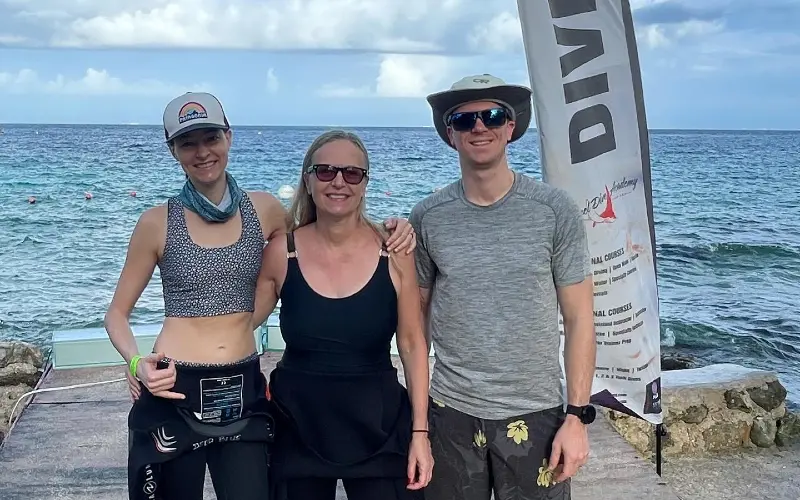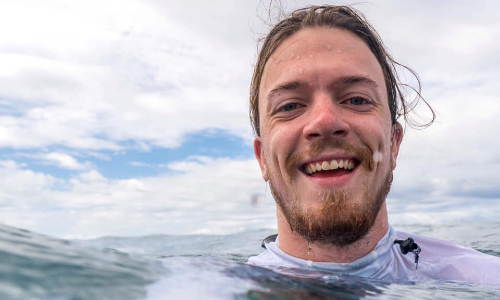
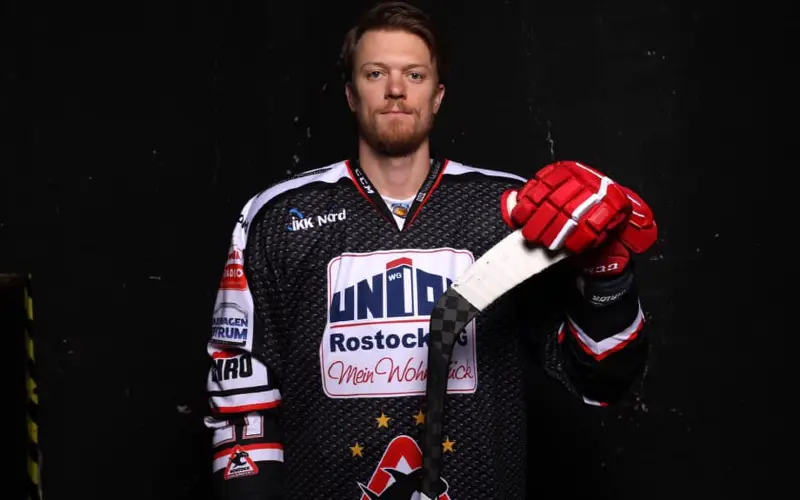
In February of 2024, I embarked to Fiji on a press trip with the Professional Association of Diving Instructors (PADI), not just to explore the soft reef capital of the world, but also to discover a deeper healing process. As a former professional minor league hockey player, I was continuously dealing with and abruptly reshaped by traumatic brain injuries (TBIs) throughout my career. I never anticipated confronting these challenges during youth and high school hockey, undoubtedly the important developmental years of life. While in Fiji, a profound realization stirred within me, as I was quick to reflect on a truth that this was more than just diving in a beautiful destination — it was about internally processing how existing in the depths beneath the surface would bring me through a recovery journey.
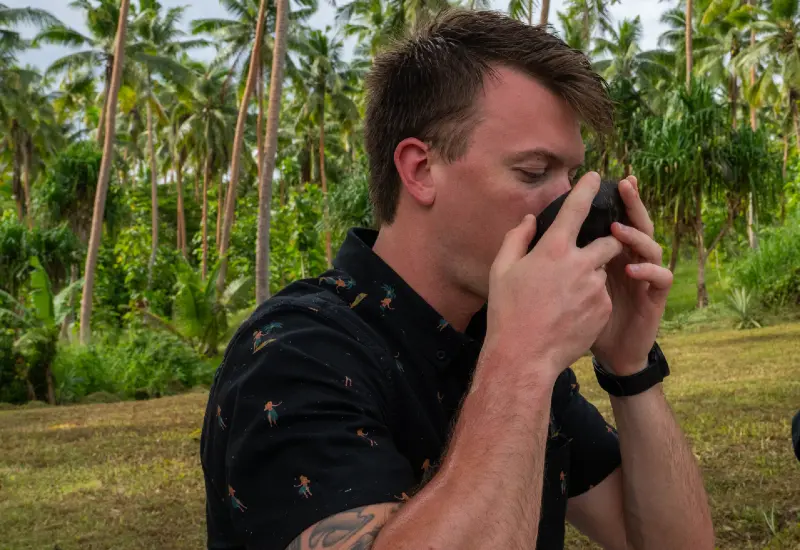
My Journey to Diving
My time in sports built physical and mental resilience but left me and my family struggling to navigate the delicate complexities of TBI while laboring through the rippling tax of the injury. My initial introduction to diving as a kid evoked a mix of excitement and inspiration, a gratitude I owe my dad. In 2016, I got certified as a PADI Open Water Diver, allowing me to dive to 80 feet and explore an entirely new world in the ocean. Given the effects of my TBIs, engaging in my sport was a calculated risk, one I recognized and took measures to mitigate with a team of medical professionals as I entered my junior, collegiate, and professional playing career.
I navigated those years concussion-free yet underwent a serious search to find a solution for my lingering symptoms. As I started a deep dive (no pun intended) into building out my “toolbox” of symptom relief, I discovered that my first love gave me a profound sense of equilibrium. I call it ”saltwater therapy,” a phrase I learned from surf culture in 2016 while spending a few months away from the ice. I used surfing as a trial and error of sorts in my healing journey, watching the sunrise over Pismo Beach, California. Along with other neurologist recommendations, this was a promising tool for my toolbox, a new avenue for recovery — one that involved tranquility and tapping into my flow state in the waves. It wasn’t until my first dive later that year that I started to feel a similar ease.