Posted: May 11, 2018
“You are what you’ve overcome,” reads the military dog tag that hangs from my neck. Today and every day, it is a symbolic and physical reminder of how far I’ve come in the three years since choosing to apply to Dartmouth College instead of West Point.
With one concussion under my belt from my final high school baseball days, I walked onto the Dartmouth varsity soccer team as a goalie. Two weeks into practice, I was knocked on the temple by a stray shot I didn’t see coming. Exactly one year later, I took a ball to the nose during a scrimmage. All three times, I felt fine – just “shook it off” and continued with practice. It wasn’t until the following morning that tremendous pressure would fill my head, signaling something was wrong.
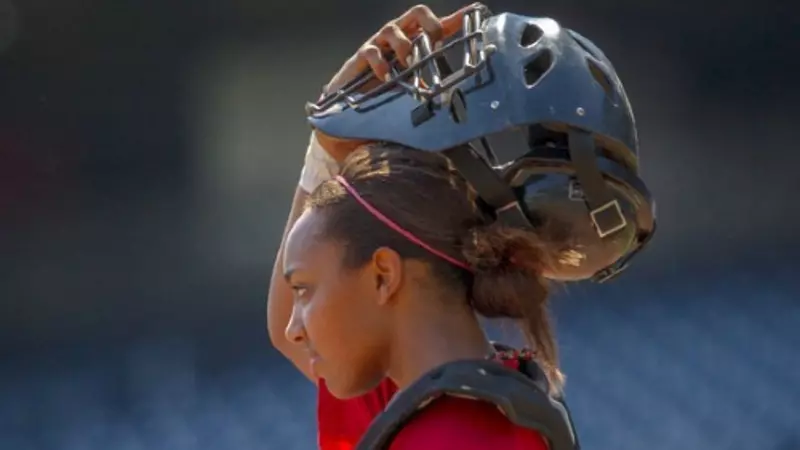
As athletes, we are conditioned to think we are invincible. We have to perform at 110% every time we hit the field, and are pushed back into playing before injuries (to the brain or otherwise) are fully healed. I fell victim to that competitive nature, returning to play when I was “good enough,” not good. There was no doctor mandating I stop contact sports. I was the only person who knew how my head was doing, and was the only person who could decide my future.
I started to feel more insecure than ever. I was going through the motions, listening to the same prognosis from doctor after doctor, and sitting on the sideline every day at practice. I was unhappy and unfulfilled, but unable to admit it to myself. I thought being an athlete was everything. As a ballerina, soccer, and baseball player from the age of four, “athlete” was the only identity I’d ever stuck with. But after nine months of school, waking up every day feeling the same – or worse – than the day before, I started to come to grips with the decision I knew I had to make.
Little did I know that trading my cleats in for character shoes in the spring of my sophomore year would finally bring me home. Theater was the last activity to be cut from my schedule when I committed to college soccer, but the first one I returned to after quitting. I took my first college theater class that spring, and fell so in love with it that I found myself interning this past fall at Northern Stage, a regional theater in Vermont run by one of Dartmouth’s professors, Carol Dunne. It was during this internship that I learned about marketing, development, and education in the theater sphere, and got my first professional acting contract. Dunne pushed me to pursue writing in my free time, knowing that I was still struggling with Post-Concussion Syndrome (PCS). Though I truly couldn’t think of anything scarier, I agreed to dive into a one woman show on my own experience with head trauma... “my diary – staged,” as the play begins.
For over a year, by that point, I had practiced shutting the bad out, afraid that sinking into the negatives of PCS would make my recovery even longer. Writing this play, ironically titled “It’s Fine, I’m Fine,” became a way for me to finally put into words everything I couldn’t before.
But it’s not just a play about a headache.
“It’s Fine, I’m Fine” is about the invisible. Anyone who has dealt with TBI and PCS knows that our symptoms aren’t our only trouble, and we certainly know that they’re never conveniently-timed. “It’s Fine, I’m Fine” is about transitions and self-discovery. About losing direction and letting go. About relationships and sexuality. About mental health and the therapist my parents don’t know exists. It’s an ode to the twists, turns, and deep dives in adolescence that we mask with “I’m fine.”