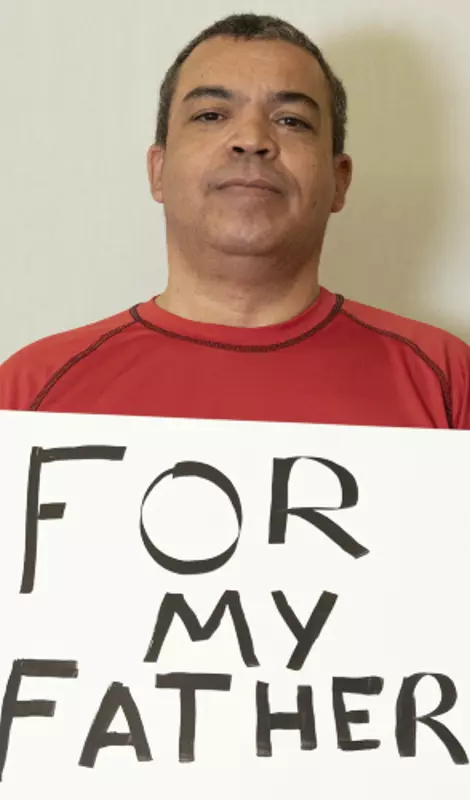
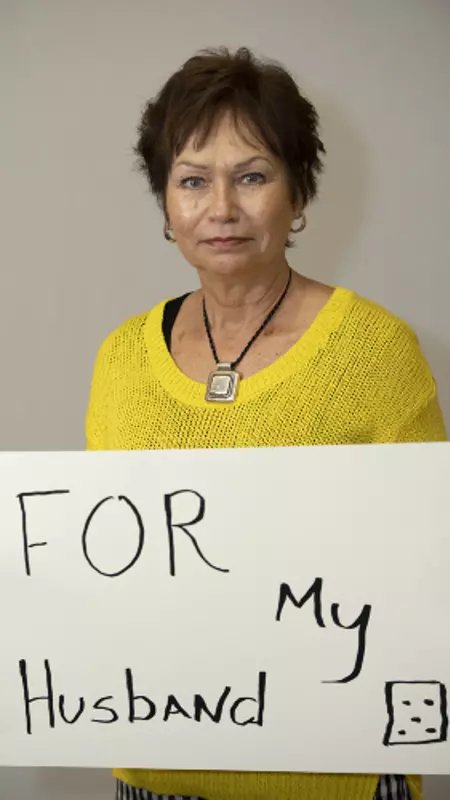
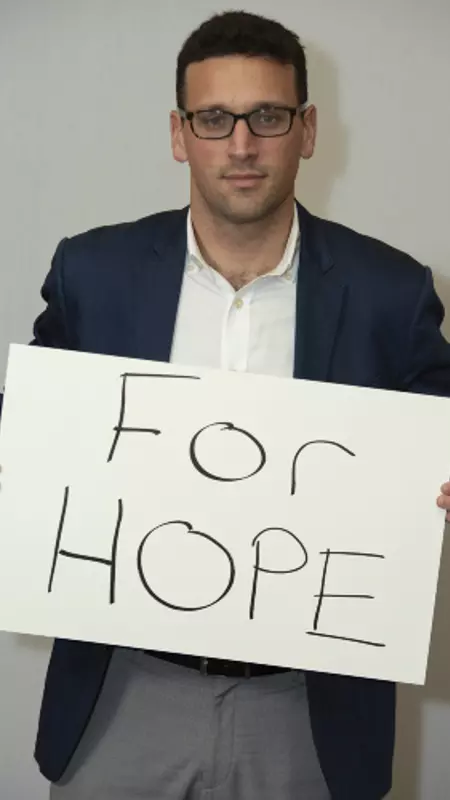
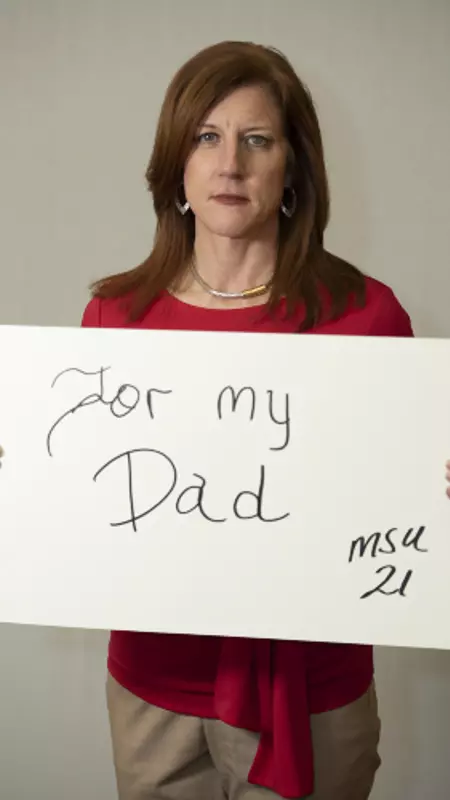
Posted: January 21, 2020
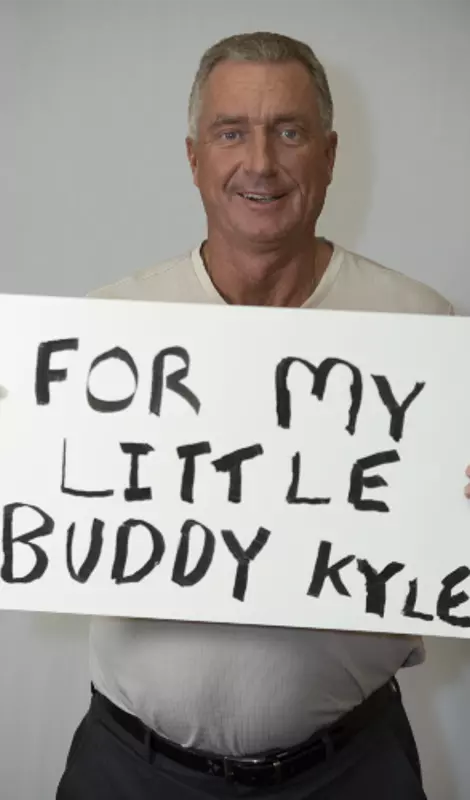
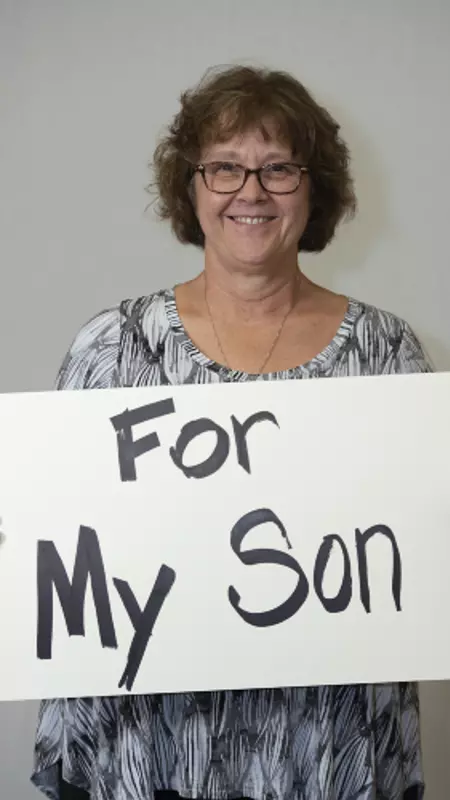
“Before the headaches and concussions, he was very much an extrovert, he always had a group of people around him and just loved life and had a lot of fun.”
Mike Raarup says concussions changed his son Kyle’s personality. He became impulsive, and struggled with drastic, volatile mood swings. Kyle was a gifted hockey, football and baseball player in Minnesota. Concussions forced him to quit sports in 8th grade – and he was later diagnosed with Post-Concussion Syndrome (PCS). Treatments helped Kyle graduate high school and attend college, but he still suffered from anxiety, depression and memory loss. He took his own life at age 20 in November 2015.
Kyle’s brain was later studied at the VA-BU-CLF Brain Bank, where researchers diagnosed with him Stage 1 (of 4) CTE. Mike is proud to have donated his son’s brain to research and supports our cause in his honor. It’s his "Why CLF".
Dr. Ann McKee is leading the global effort to find a cure for CTE with her groundbreaking research. When we asked her why she persists in this work, her answer was simple.
Dr. McKee is the Chief of Neuropathology at the VA Boston Healthcare System and Director of the Boston University CTE Center and the VA-BU-CLF Brain Bank. In 2018, she was named one of TIME Magazine’s 100 most influential people. Dr. McKee’s work has revolutionized the world’s understanding of CTE and changed the way we think about head trauma in sports and the military. Our future is brighter because of her work.
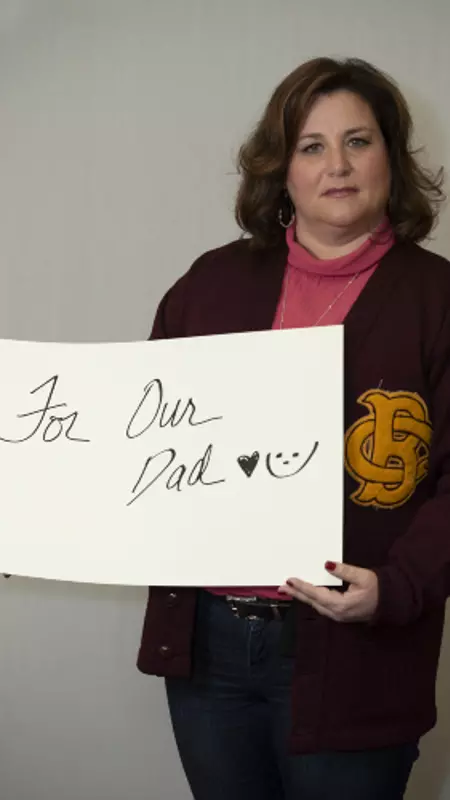
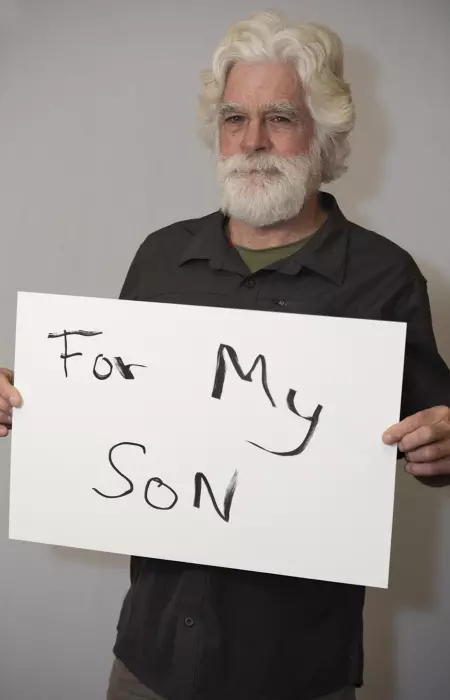
“He taught all of us life lessons, differently, yet all the same principles. He was our coach in many ways and was very much our hero.”
Julé Frechette’s #WhyCLF is for her father John Frechette, who she calls the warmest, kindest, most giving person and best dad to her and her two siblings. John was an offensive and defensive tackle for Boston College before being drafted in 1965 by the Boston Patriots where he played for a season. Frechette also spent a year with the Green Bay Packers playing for legendary coach Vince Lombardi. After a shoulder injury in 1967 ended his football career, he went on to have a successful business career working in labor relations. Signs of memory issues and mood swings began in his mid-50’s and continued to progress. Julé says as her father’s disease progressed, his sadness, frustration and inability to think clearly became more profound and caused him to withdraw and lose his “life of the party” personality. Frechette was diagnosed with Alzheimer’s Disease in his late 60’s and died in 2014 at age 71. Researchers at the VA-BU-CLF Brain Bank later diagnosed him with Stage 4 (of 4) CTE.
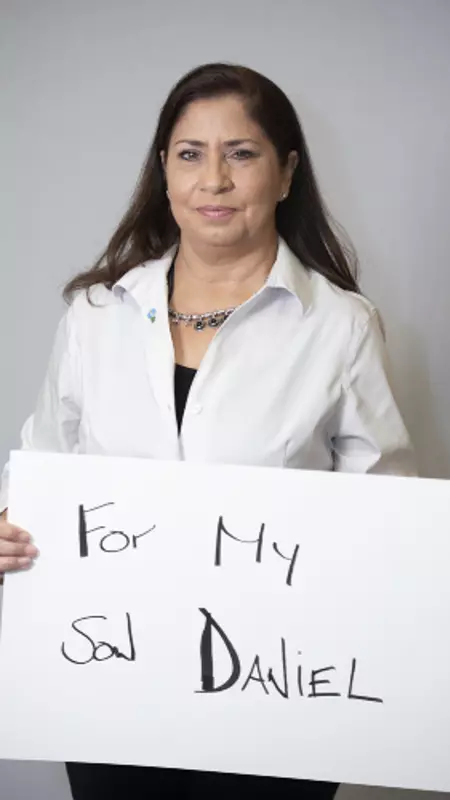
“The differences came very strongly and very loudly after the last time he played football.”
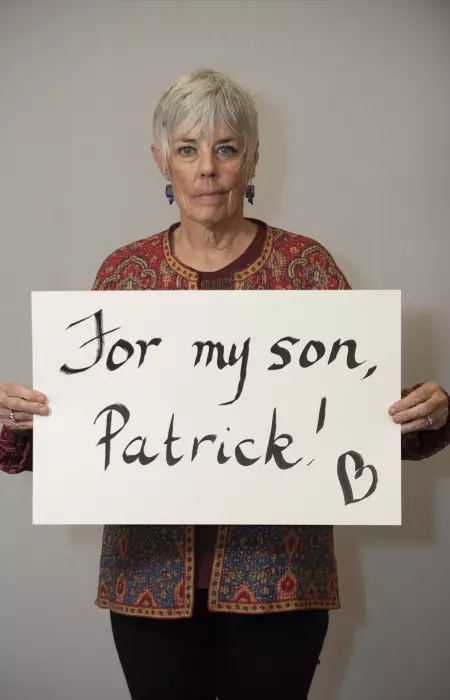
Diana Brett’s son Daniel stopped playing football after a concussion during a high school practice his freshman season. Then she learned he suffered nearly a dozen of concussions before that – and hid his symptoms so he could keep playing. Daniel was diagnosed with Post-Concussion Syndrome (PCS) and struggled with pain for the next 19 months of his life. In May 2011 he died by suicide at age 16.
Diana is passionate about educating all athletes to speak up about their concussions. She’s also empowering parents to be advocates for their children’s health so they know what to look out for when it comes to concussions. It’s her #WhyCLF.
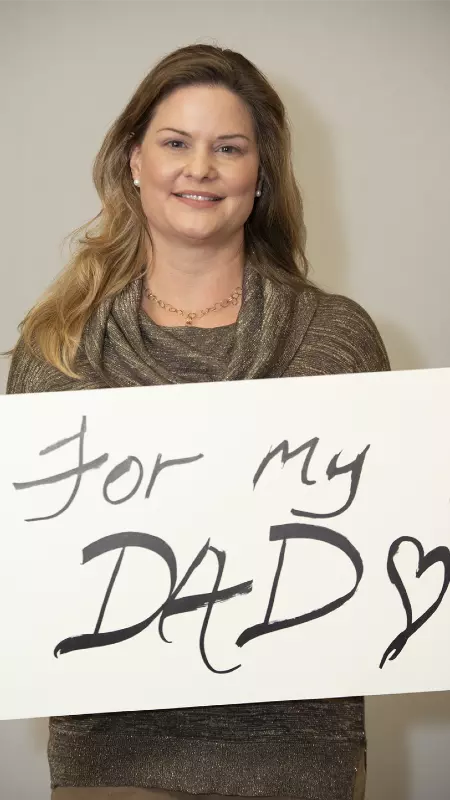
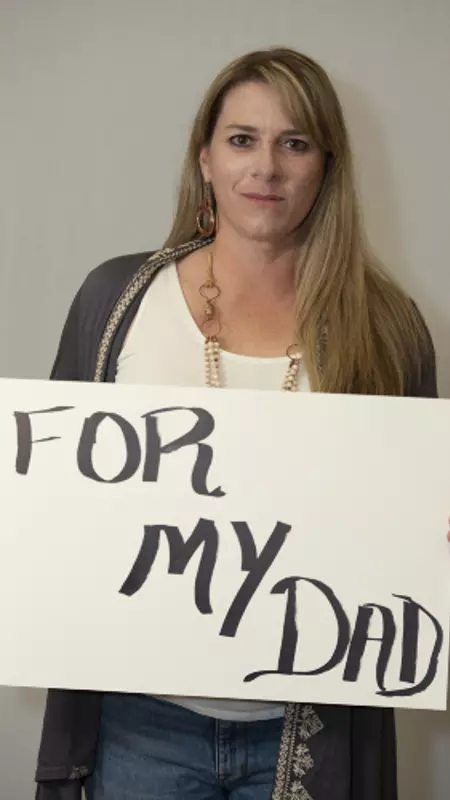
Payton Mincey’s #WhyCLF is for her dad Daniel Brabham.
Daniel was an Air Force veteran, teacher, family man and an all-conference linebacker and fullback at the University of Arkansas before spending six seasons in the NFL with the Houston Oilers and Cincinnati Bengals. Brabham was a lifelong crusader for change. He fought to ban smoking in the workplace in Louisiana and founded the Louisiana Fisherman’s Forum. After his death in 2011 at age 69, researchers at the VA-BU-CLF Brain Bank diagnosed him with CTE.
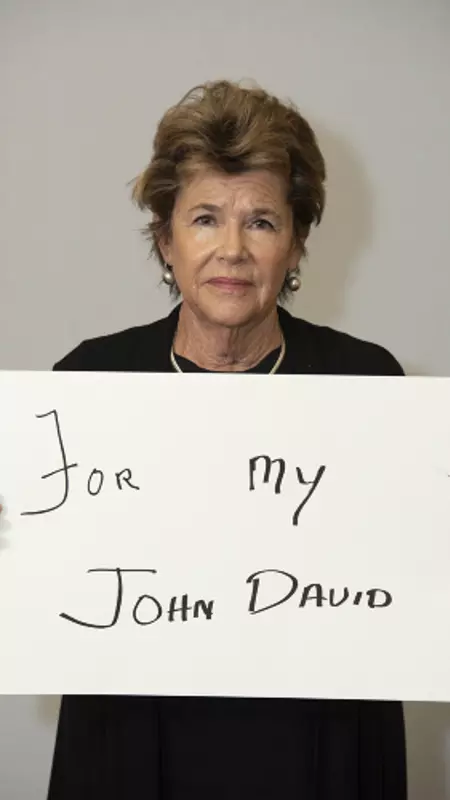
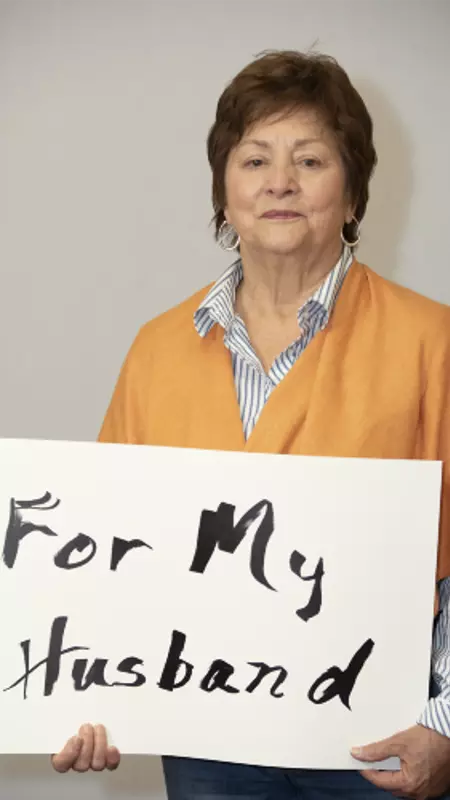
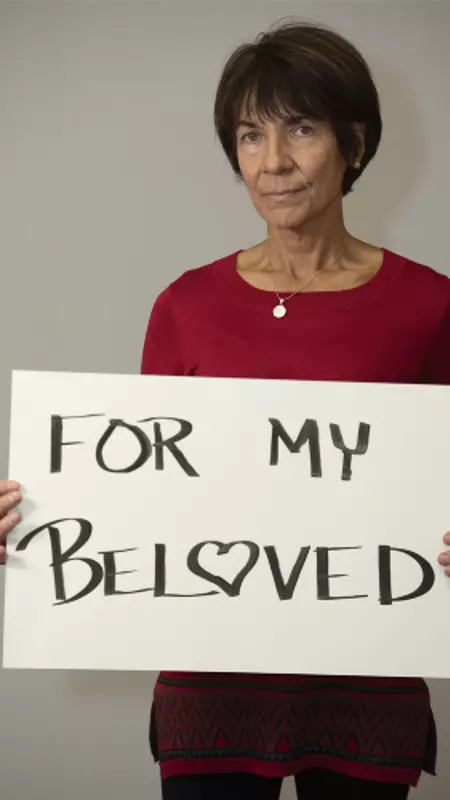
Tough, kind, and larger than life. An All-American football player for Boston College who spent three seasons in the NFL – Pat Frechette’s #WhyCLF is for her husband John David Frechette.
John was an offensive and defensive tackle who was drafted by the Boston Patriots in 1965. A shoulder injury ended his NFL career early, and he transitioned to life as a father of three working in labor relations. In his late 40’s, John started showing signs of depression, memory loss, and mood swings. In 2011 he was officially diagnosed with Alzheimer’s Disease. He died three years later at age 71. The Frechette family says they donated John’s brain to the VA-BU-CLF Brain Bank to learn more about how to make the game John loved safer. Researchers at the Brain Bank diagnosed Frechette with Stage 4 (of 4) CTE.
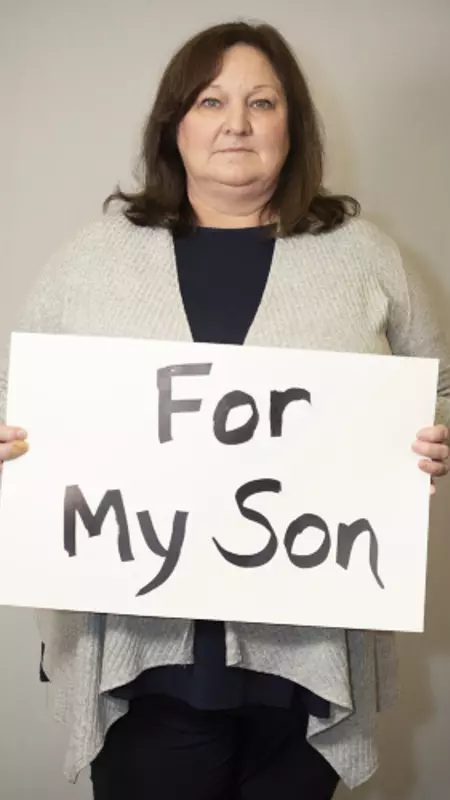
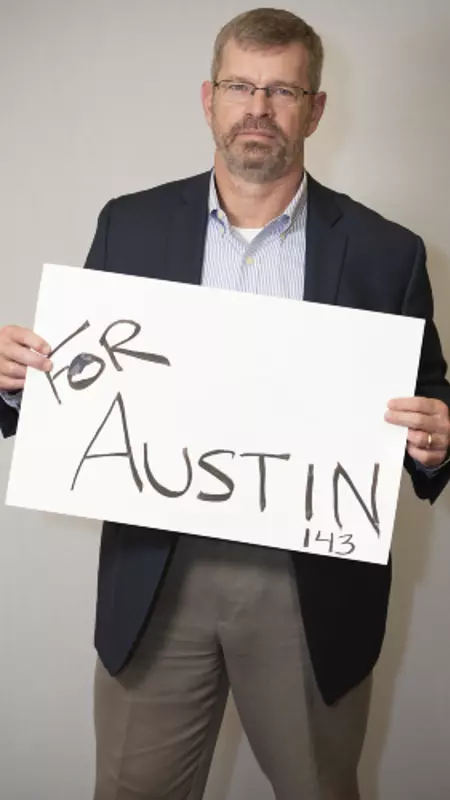
“Everybody loved Austin. He had such an energetic personality and was able to make friends wherever he went.”
Michelle Trenum’s #WhyCLF is for her son Austin. Austin Trenum was a star student and athlete who played football and lacrosse at Brentsville District High School in Virginia. Austin suffered his first diagnosed concussion during his junior football season. A year later in September 2010, he suffered his second diagnosed concussion during a game. Austin took his own life 43 hours later. He was 17 years old. Michelle and her husband Gil donated Austin’s brain to the VA-BU-CLF Brain Bank to help advance research about the link between concussions and suicide. They now honor Austin’s legacy by supporting other families who have lost a child to suicide after concussion.
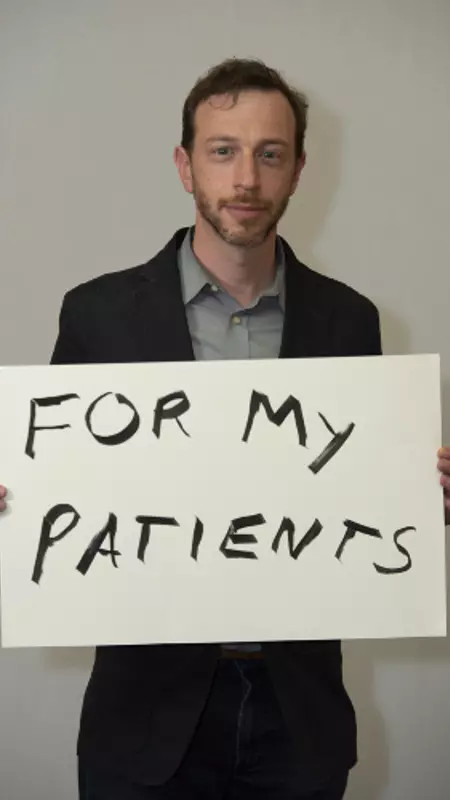
Why is Dr. Jesse Mez so passionate about his work? For his patients.
Dr. Mez is an important member of both the BU CTE Center and BU Alzheimer’s Disease Center research teams. He’s also an Assistant Professor of Neurology at Boston University School of Medicine. Dr. Mez is part of the team that interviews family members and caregivers of Legacy Donors to learn more about their lives and the symptoms they struggled with. His research is helping identify possible risk factors for CTE. Dr. Mez was the lead author on an October 2019 study that found the odds of developing CTE increase 30% for each year of tackle football played.
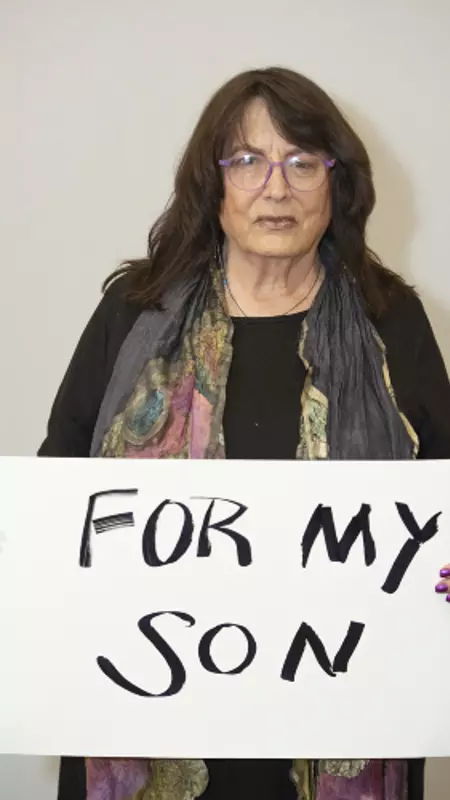
Quiet, deep, and strong – Joslyn Aitken remembers her son Devin Hands for his caring heart. He’s her #WhyCLF.
Devin grew up in Laguna Beach, CA where he excelled in every sport he played. He started tackle football at age 12 and cherished the “Tough as Nails” award he received for taking so many big hits. Devin loved the outdoors and worked hard to earn the prestigious Eagle Scout rank. Beginning around age 17, Devin struggled with headaches and mood swings. He died of a brain hemorrhage from a fall in 2013 at age 22. Joslyn donated his brain to the VA-BU-CLF Brain Bank to help advance research about concussions.
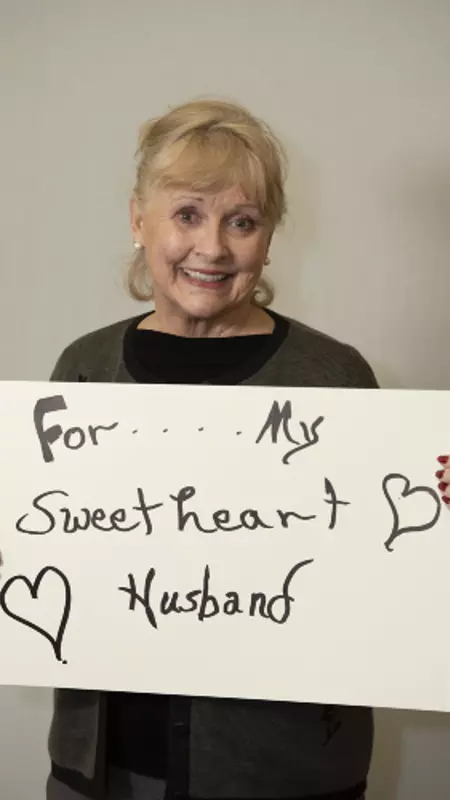
“My favorite thing about him was his gentleness. They called him a Minnesota Monster on the football field, but he had a second side, a soft side, that I loved.”
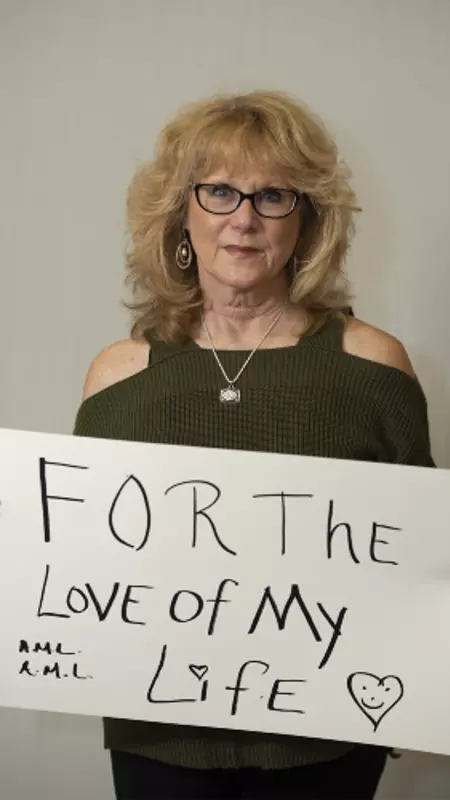
Carolyn Lens says her #WhyCLF is for her sweetheart, her husband of 25 years, Greg Lens.
Greg Lens was a star defensive tackle at Trinity University before being drafted into the NFL in 1971. He played two seasons for the Atlanta Falcons. Lens also served in the U.S. Army, and went on to be a high school teacher and coach in Texas, a job his family said meant so much to him. Near the last decade of his life, Carolyn says she started to notice changes in Greg. He forgot directions to places he’d traveled to hundreds of times. He struggled to tell time. Then the paranoia set in – and Greg battled bouts of aggression and rage. Unable to stay at home, Greg moved in and out of several care facilities during the last years of his life. He died from pneumonia in 2009 at age 64.
Researchers at the VA-BU-CLF Brain Bank later diagnosed Lens with Stage 4 (of 4) CTE.
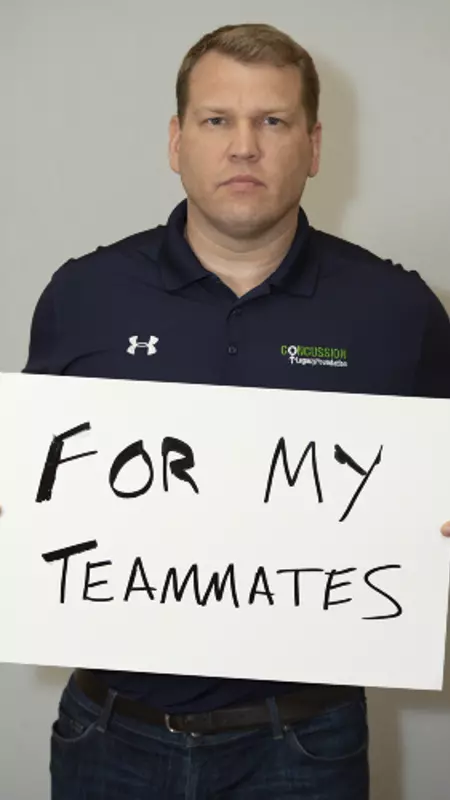
Our co-founder and CEO Christopher Nowinski, Ph.D has endless answers for #WhyCLF.
Nowinski was a two-time All-Ivy defensive tackle for Harvard before wrestling in the WWE. His WWE career was cut short after a kick to the head led to Post-Concussion Syndrome (PCS). Nowinski recognized the desperate need for athletes to understand the serious consequences of concussion, and teamed up with his physician Dr. Robert Cantu to co-found CLF. He’s also a co-founder of the Boston University CTE Center and is driving us toward achieving our vision of a world without CTE and concussion safety without compromise.